Choosing the Right Roofing Material: A Guide for Homeowners Working With a Residential Roofing Contractor in Honolulu
Choosing the right roofing material is one of the most important decisions a homeowner can make, and for those in Honolulu, HI, the stakes are higher because Hawaii's climate is unlike anywhere else in the country. A residential roofing contractor on Oahu must plan for relentless trade winds, intense UV radiation, salt-laden ocean air, high humidity, and strict hurricane building codes. Understanding how different materials hold up against these forces can save you time, money, and serious headaches.
How Hawaii's Climate Shapes Every Roofing Decision
Oahu's environment puts roofs under constant stress: trade winds load the same edges day after day, windward areas like Kailua and Kaneohe see heavy rainfall that drives moisture into flashing and seams, and leeward neighborhoods like Ewa Beach and Pearl City endure a UV index that regularly climbs to extreme levels. Salt air accelerates corrosion nearly island-wide, and Hawaii's building codes layer on requirements for wind uplift resistance and hurricane-rated fastening that older homes may not yet meet. Consulting a qualified residential roofing contractor early can help identify which upgrades apply to your property.
Trade Winds and Wind Uplift Resistance
Trade winds apply consistent directional pressure to roof edges and ridges day after day. Material choices and installation methods both matter. Poorly fastened roofs, regardless of material, may lift or delaminate over time under relentless exposure.
Salt Air and Corrosion
Properties near the ocean, from Hawaii Kai to the North Shore, face intense salt spray that accelerates corrosion on metal fasteners, flashing, and exposed metal components. Choosing corrosion-resistant materials up front is far less costly than dealing with premature failures.
Comparing the Main Roofing Materials for Oahu Homes
Metal Roofing
Metal roofing has become one of the most popular choices on Oahu. It reflects heat well and handles strong winds when properly installed. However, standard metal products can show rust and chalking within a few years in salt air. A premium Kynar 500 coating provides a more durable barrier and carries significantly longer warranties against fading and corrosion, making it a strong consideration for homes within a mile of the coast. Standing seam metal, which eliminates exposed fasteners, is a common choice for steeper-pitched roofs in wetter windward areas.
Concrete and Clay Tile
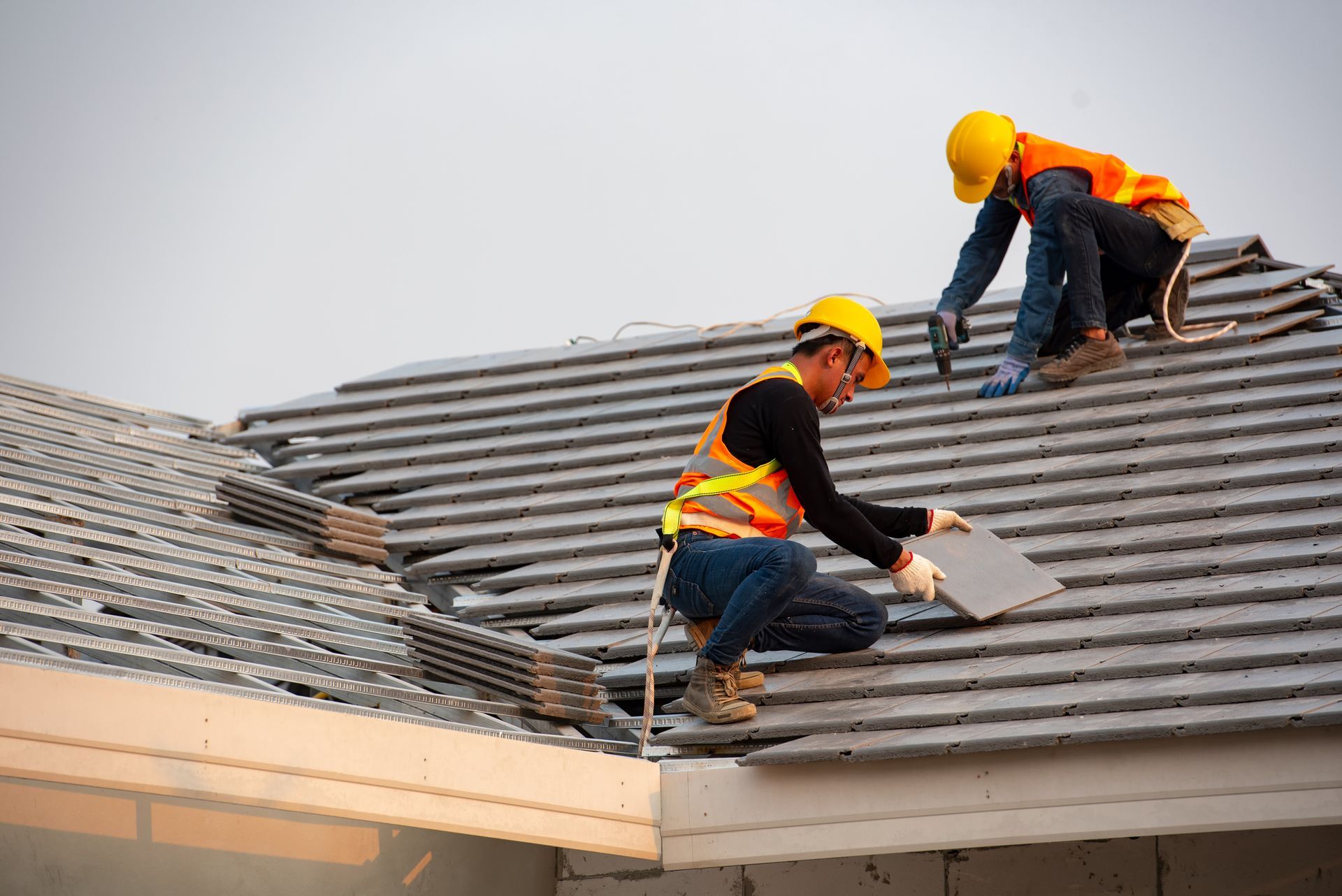
Tile roofs have a long track record on Oahu and perform well against UV exposure. Because Hawaii lacks freeze-thaw cycles, a well-installed tile roof can deliver decades of reliable performance. Tile is heavier than other options, so the roof structure must support the added load. One consideration is that individual tiles can crack over time, so periodic inspection matters. An experienced residential roofing contractor can evaluate whether your structure needs reinforcement before installation.
Asphalt Shingles
Asphalt shingles remain an affordable and widely used option on Oahu, though they require thoughtful product selection. Humidity promotes algae growth on standard shingles, leaving dark streaks common on roofs across the island. Algae-resistant products help address this. Hurricane-pattern nailing, which uses additional fasteners per shingle, improves performance in high-wind conditions. Asphalt shingles typically carry shorter lifespans in intense UV environments than in milder mainland climates.
Roof Coatings
For low-slope and flat roofs common on older Honolulu-area homes in neighborhoods like Manoa and Nuuanu, fluid-applied roof coatings offer a practical alternative to full replacement. These coatings seal seams, reflect UV radiation, and reduce heat absorption, extending a roof's useful life without the cost of a complete tear-off. Your residential roofing contractor can assess whether your roof is a good candidate for a coating system or whether replacement makes more sense.
A Simple Decision Framework for Oahu Homeowners
A few straightforward questions can help you narrow down your options. Consider your roof pitch; steep-slope roofs suit tile or metal, while low-slope roofs often call for coatings or membrane systems. Factor in your proximity to the ocean, since homes near the water benefit from upgraded corrosion-resistant coatings on all metal components. Check HOA guidelines, as some Honolulu neighborhoods restrict roofing colors or materials. Think about long-term maintenance, since metal and tile generally require less upkeep than asphalt over time. Finally, confirm hurricane compliance, as older homes may need retrofitted hurricane straps and updated fastening regardless of material choice.
A licensed residential roofing contractor can assess your roof pitch, structure, neighborhood, and budget to help you make the right call.
Frequently Asked Questions
What Roofing Material Lasts the Longest in Hawaii?
Describe the item or answer the question so that site visitors who are interested get more information. You can emphasize this text with bullets, italics or bold, and add links.Do I Need a Special Roofing Contractor for Hawaii Homes?
Yes. Island building codes, hurricane fastening requirements, and salt air effects require specific product knowledge and installation techniques that mainland contractors often lack.
How Does Salt Air Affect My Roof?
Salt air accelerates corrosion on metal fasteners, flashing, and panels. Corrosion-resistant materials, protective coatings, and routine inspections significantly reduce the damage.
Get Expert Roofing Guidance Serving Honolulu, HI
Surface Shield Roofing & Construction has been serving the Oahu community for over two decades, with deep knowledge of local building codes, island microclimates, and the materials that hold up best in Hawaii's demanding conditions. Whether your home is in Honolulu, Kailua, or anywhere across the island, our team is ready to help. Request a free roofing consultation, explore our residential and commercial roofing services, call (808) 739-9599 to speak with our team directly, or find and review us on Google.